
The Anatomy of an Authentic Italian Antipasto Platter
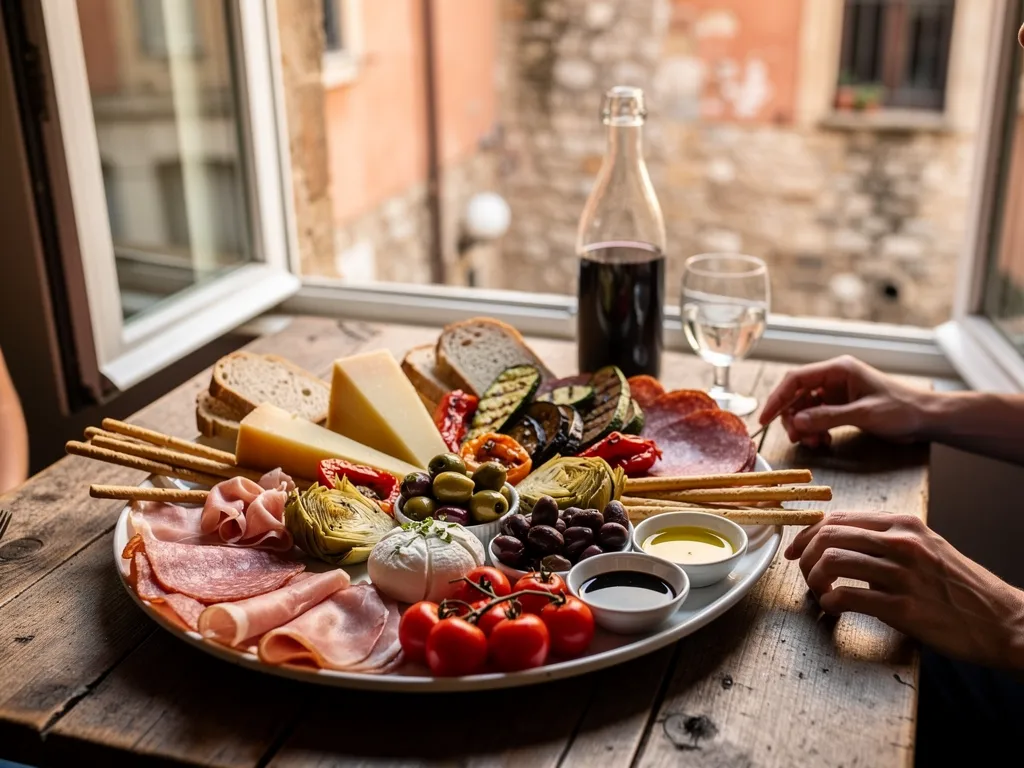
An authentic Italian antipasto platter balances cured meats, cheeses, marinated vegetables, and olives for varied textures and flavours. Charcuterie typically includes 3-5 regional cold cuts like Prosciutto Crudo di Parma from northern Italy. Pickled peppers, artichokes, and sun-dried tomatoes add brightness and acidity to the spread. Palma Pasta takes pride in offering catering trays featuring these traditional antipasto components for your events.
What defines an authentic antipasto platter?
An authentic Italian antipasto platter serves as the traditional first course of a formal Italian meal. The term itself means “before the meal,” a name that signals its purpose: stimulating the appetite before heavier dishes arrive. Without this carefully composed opener, guests miss the gradual unfolding of flavours that defines Italian dining structure.
The platter’s composition follows clear culinary principles. A proper antipasto brings together cured meats and cheeses alongside vibrant vegetables. Cardona’s Market notes that antipasto traces its roots to ancient Rome and Greece, where small, appetite-whetting portions preceded the main feast. This historical foundation shapes every authentic arrangement today.
What ingredients belong on a traditional antipasto platter?
Traditional antipasto ingredients fall into three essential categories. Cured meats form the first pillar: prosciutto, salami, capicola, and other Italian cold cuts deliver savoury depth. Cheeses provide the second anchor, ranging from firm aged varieties to softer fresh options. A well-built antipasto platter balances these elements so no single flavour dominates. The variety ensures each bite offers a different combination of textures and tastes.
How should cured meats and cheeses be arranged?
Meats and cheeses demand thoughtful placement rather than random scattering. Folded prosciutto slices create visual height. Salami rounds fan out in overlapping rows. Cheeses sit in distinct groupings, separated enough that flavours stay distinct. This arrangement lets guests navigate the platter intuitively, picking from each category without confusion.
Palma Pasta applies these same principles when preparing catering trays, drawing on a deep understanding of Italian cheese varieties to select the right textures for each platter. The result mirrors what diners expect from an authentic Italian starter: generous, varied, and precisely composed.

Which cured meats belong on the board?
An authentic Italian antipasto platter demands a thoughtful selection of cured meats that reflect regional traditions. Italian cuisine celebrates cured meats and cheeses as a regional expression, with every area contributing its own signature charcuterie. A well-constructed board offers guests a journey through distinct tastes and textures, starting with three to five cold cuts for a balanced tasting experience.
Mild selections anchor the board with familiar, crowd-pleasing flavours. Northern Italian regions like Emilia Romagna, Friuli, and Veneto produce the most popular options in this category.
The mild tier includes five classic choices:
- Prosciutto Crudo di Parma
- Prosciutto San Daniele
- Soppressa
- Mortadella
- Prosciutto Cotto
These delicate meats provide an accessible entry point for guests unfamiliar with stronger charcuterie. Their subtle profiles pair effortlessly with fresh bread and mild cheeses.
What are the best intermediate cured meats for an antipasto platter?
Intermediate charcuterie introduces more pronounced flavours to the board. Smoky Speck delivers a distinctive wood-fired character that contrasts with milder options. Spicy Nduja, a spreadable Calabrian salami, brings heat and complexity. These selections bridge the gap between approachable prosciutto varieties and the board’s boldest offerings.
What bold cured meats complete an authentic antipasto board?
The traditional antipasto ingredients include at least one assertive cured meat for guests who crave intensity. Salty Bresaola, air-dried beef from Lombardy, provides a very strong flavour that stands up to robust wines. This lean, deep-red meat adds visual drama and a concentrated savoury punch. Together these three tiers create a complete charcuterie narrative.
For families and hosts planning gatherings, Palma Pasta offers italian deli platter catering with precisely this range of traditional meats. The company’s prepared trays eliminate the guesswork of sourcing authentic regional products. Each platter arrives balanced across mild, intermediate, and bold categories, ready to serve.

What cheeses and vegetables complete the platter?
An authentic italian antipasto platter balances creamy, sharp, and aged cheeses with vibrant, marinated vegetables. Mozzarella, provolone, and Parmigiano-Reggiano form the cheese foundation. Olives, peppers, artichokes, and tomatoes deliver the vegetable component in multiple textures and preparations.
What are the essential cheeses for a traditional antipasto?
The cheese selection defines the platter’s richness. Traditional antipasto ingredients include fresh mozzarella for its mild creaminess, provolone for a gentle sharpness, and aged Parmigiano-Reggiano for granular, savoury depth. Fresh burrata drizzled with olive oil adds a luxurious, spreadable element that guests reach for first. These cheeses offer contrasting textures that keep each bite interesting.
Which vegetables belong on an authentic platter?
Vegetables contribute a tangy, vibrant counterpoint to the rich meats and cheeses. Olives, peperoncini, artichoke hearts, roasted red peppers, and marinated mushrooms are classic choices. Tomatoes appear in fresh, roasted, or sun-dried forms, while peperonata provides a sweet, slow-cooked pepper option. The variety matters more than the quantity. A platter with three distinct vegetable preparations reads as more abundant than one overloaded with a single type.
Cheese | Texture | Vegetable | Preparation |
Mozzarella | Soft, milky | Tomatoes | Fresh, roasted, or sun-dried |
Provolone | Semi-firm, mild | Artichokes | Marinated hearts |
Parmigiano-Reggiano | Hard, granular | Peppers | Roasted red or peperonata |
Burrata | Creamy centre | Olives | Whole or pitted, brine-cured |
How should the vegetables be arranged?
Group vegetables in small piles across the platter rather than mixing them together. This approach lets guests build their own cured meats and cheeses antipasto bites with precise flavour combinations. Marinated items like artichokes and mushrooms sit best in small bowls to contain their oils. Roasted peppers and sun-dried tomatoes can rest directly on the board, their vivid reds and oranges creating visual contrast against the pale cheeses.

How can you serve antipasto for a gathering?
An authentic Italian antipasto platter works best as a self-serve centrepiece. Guests help themselves from a large platter filled with bite-sized portions, a format that keeps service simple and conversation flowing. This traditional approach turns the first course into a social experience rather than a formal sit-down starter.
What makes an antipasto platter memorable?
A well-crafted platter sets the stage for a memorable meal. The visual impact of colourful vegetables, folded meats, and arranged cheeses creates anticipation before anyone takes a first bite. Italian antipasto platter ideas succeed when the presentation looks abundant and effortless. Guests perceive the host as both generous and relaxed, a combination that defines Italian hospitality.
Which ingredients belong on a traditional platter?
Traditional antipasto ingredients balance mild and bold flavours. Premium imported selections like Parma Prosciutto deliver a silky, salty balance that pairs well with sharper cheeses. Genoa Salami adds a spiced, robust note. The cured meats and cheeses antipasto combination forms the backbone of the platter, supported by marinated vegetables, olives, and artichokes. Variety matters! A spread of three to five cold cuts lets guests sample different textures without overwhelming the palate.
For hosts who prefer to skip the assembly, Italian deli platter catering provides a practical solution. Palma Pasta offers catering services for home and office parties, including prepared trays built around the same premium ingredients. The company’s gourmet pasta trays and platters arrive ready to serve, eliminating prep time while maintaining the quality of an authentic spread. Hosts simply uncover the tray and let guests serve themselves.
Conclusion
Building an authentic antipasto platter comes down to balancing mild, intermediate, and bold cured meats with contrasting cheeses and bright vegetables. Hosts who want this traditional spread without the sourcing and assembly work can turn to prepared catering trays that deliver the same regional ingredients ready to serve. The platter becomes a self-serve centrepiece that lets guests build their own bites while the host focuses on the company rather than the kitchen.
Key Takeaways
- A well-composed antipasto platter balances cured meats, cheeses, marinated vegetables, and olives for varied textures and flavours
- Cured meats form the first pillar, with prosciutto, salami, and capicola delivering savoury depth to the platter
- Cheeses provide the second anchor, ranging from firm aged varieties to softer fresh options like mozzarella
- Vegetables complete the composition, with olives, roasted peppers, artichokes, and marinated mushrooms contributing tangy, vibrant notes
Frequently Asked Questions (FAQs):
What defines an authentic antipasto platter?
A. An authentic Italian antipasto platter serves as the traditional first course of a formal Italian meal, bringing together a balanced selection of cured meats, cheeses, and vegetables.
What ingredients belong on a traditional antipasto platter?
A. Traditional antipasto ingredients include cured meats like prosciutto and salami, cheeses, and vegetables.
Which cured meats belong on the board?
A. An authentic antipasto platter includes regional cold cuts like Prosciutto Crudo di Parma from northern Italy, along with salami and capicola.
You must be logged in to post a comment.