
A Comprehensive Guide to Italian Cheeses for Cooking
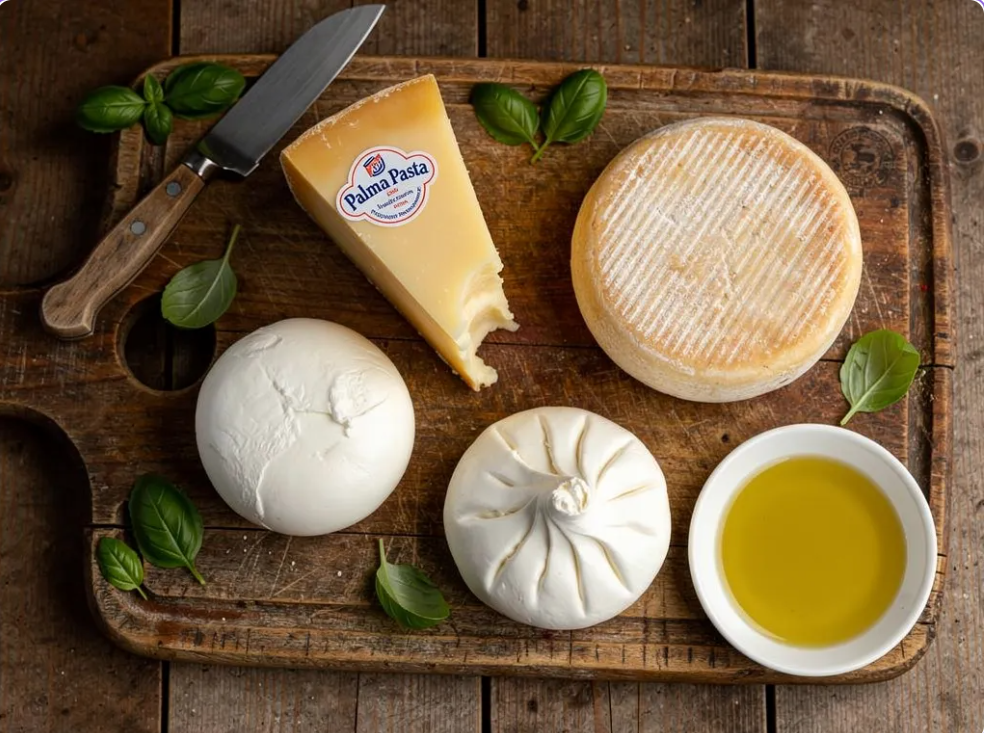
Parmigiano-Reggiano imparts a sharp, nutty depth that enhances pasta when grated, while fresh mozzarella seamlessly melts, making it an ideal choice for lasagna and baked dishes. Ricotta contributes a creamy texture to fillings, and Pecorino Romano introduces a bold saltiness to sauces. Based in Ontario, Palma Pasta specializes in using authentic Italian cheeses to create traditional, flavourful dishes daily.
The diverse world of Italian cheeses encompasses over 400 varieties, each linked to specific regions and types of milk. Parmigiano-Reggiano offers a rich, nutty flavour, Pecorino Romano delivers a savoury kick to sauces, and Burrata adds a luxurious creaminess that elevates dishes. Palma Pasta proudly provides a selection of authentic Italian cheeses and gourmet grocery items for home chefs looking to craft traditional pasta meals.
What Makes Italian Cheese So Diverse?
More than 400 distinct cheeses come from Italy’s regions, hills, and coastlines, making the country one of the most cheese-diverse places on earth. That number alone explains why a proper Italian cheese guide feels less like a menu and more like a map. Geography and climate drive much of this variety, shaping everything from texture to aging time.
Why do Italian cheeses vary so much by region?
Terrain and season decide how a cheese turns out. Coastal regions favour fresh, milky styles meant to be eaten within days. Mountainous zones produce hard wheels aged for years. Centuries of local technique, passed down through families, refined these methods long before modern food science existed.
What role does milk type play in Italian cheese?
Milk source dramatically changes the flavour and texture of the Italian cheeses found on Italian tables. Buffalo, cow, goat, and sheep milk each bring distinct richness, tang, or creaminess to the finished wheel. This variation gives home cooks real options when cooking with cheese, from delicate fresh spreads to sharp, crumbly toppings.
Cheesemaking itself solved a practical problem long ago: preserving milk’s protein and fat before refrigeration existed. That necessity, paired with regional differences in milk and climate, laid the foundation for Italy’s remarkable cheese diversity today.
Which Types of Italian Cheese Should You Know?
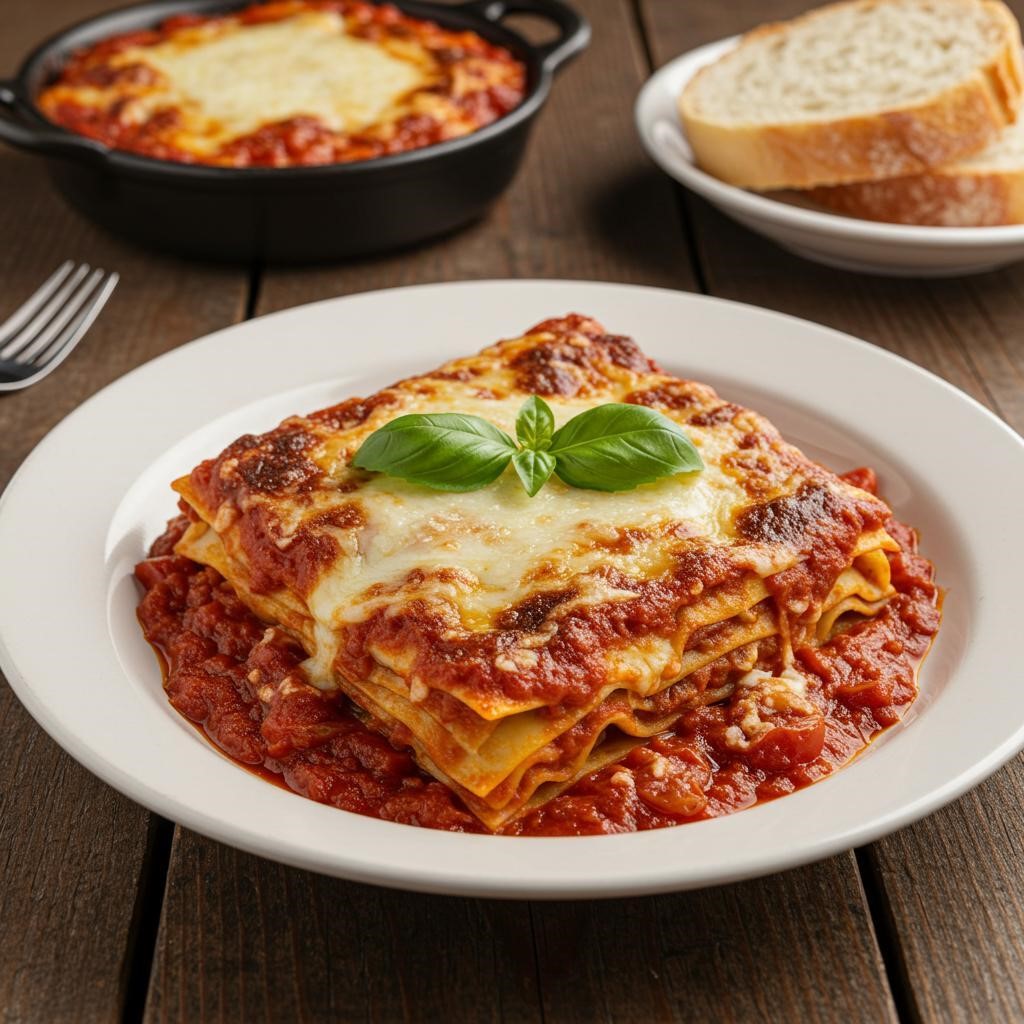
Three cheeses anchor any solid Italian cheese guide: nutty Parmigiano Reggiano, creamy Burrata, and salty Pecorino Romano. Each cheese carries a distinct character shaped by Italy’s regional traditions. Home cooks planning an Italian-inspired menu benefit from knowing these types of Italian cheese before shopping or plating a dish.
Buffalo mozzarella is a staple in Italian kitchens. Its creamy texture and mild flavour turn salads, pizzas, and antipasto platters into showcases of simple, fresh ingredients. Parmigiano-Reggiano, aged for years, delivers a nuttier, deeper flavour that elevates pasta, risotto, and grated garnishes alike.
What’s the difference between fresh and aged Italian cheese?
Fresh cheeses, like buffalo mozzarella, taste mild and delicate, so they shine when served simply. Aged cheeses, like Parmigiano-Reggiano, concentrate flavour over years, developing a nutty complexity that stands up to bold sauces and long-simmered dishes.
Which Italian cheese works best for everyday cooking?
For cooking with cheese on a busy weeknight, buffalo mozzarella and Parmigiano-Reggiano cover most needs at home.
Cheese | Texture | Best Use |
Burrata | Creamy | Salads, appetizers |
Buffalo Mozzarella | Soft, mild | Pizza, Caprese salad |
Parmigiano-Reggiano | Hard, aged | Grating, pasta finishing |
Pecorino Romano | Salty, firm | Finishing sauces |
Stocking these four staples covers the range gourmet Italian food enthusiasts crave, from delicate starters to rich, aged finishes.
How Should You Cook and Store These Cheeses?
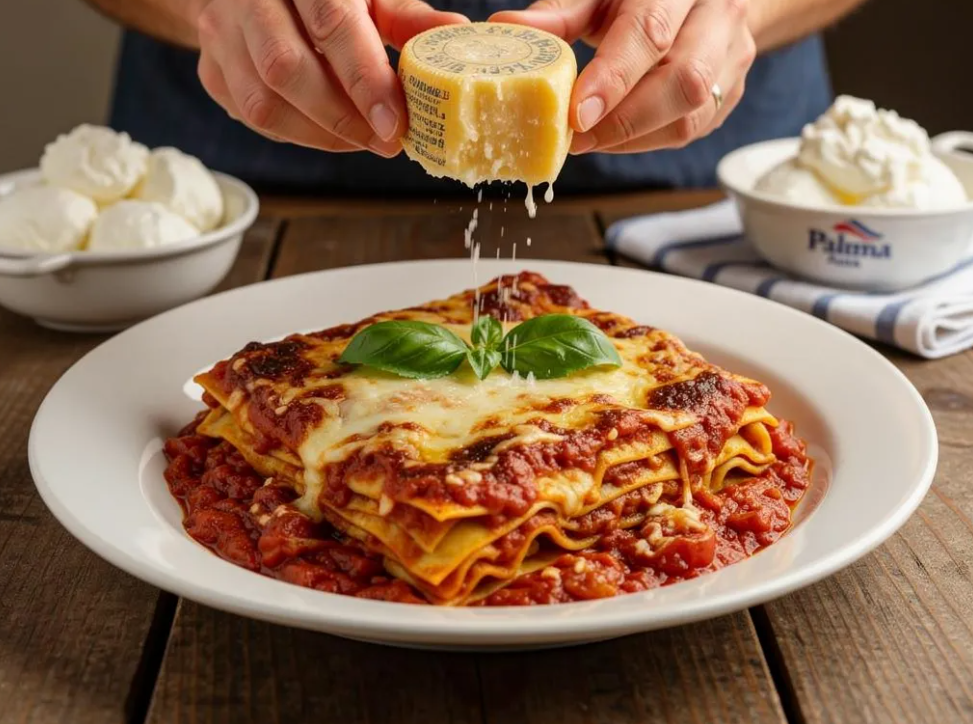
Cooking with Italian cheese starts with matching texture to technique, not simply flavour to dish. Skip that step, and a soft, fresh mozzarella turns rubbery under high heat. A hard aged wheel gets wasted if grated too soon and left exposed to air. Parmigiano-Reggiano stands out as the workhorse for finishing plates: grated over pasta or stirred into risotto at the last minute, it delivers an umami depth that reads as unmistakably Italian.
Sorting by texture makes cooking with cheese far less confusing in a home kitchen.
Which Italian Cheeses Work Best for Melting vs. Finishing?
- Soft cheeses (fresh mozzarella, ricotta): fold into fillings or melt whole, never grate
- Semi-soft cheeses (fontina, provolone): melt smoothly into sauces or layer into baked dishes
- Hard cheeses (Parmigiano-Reggiano, Pecorino Romano): reserve for grating over a finished dish
How Should Italian Cheese Be Stored at Home?
Wrap hard cheeses in parchment, not plastic, so they breathe and hold flavour longer. Soft cheeses need airtight containers and quick use within a few days of opening.
A dependable Italian cheese guide also points cooks toward reliable sourcing. Palma Pasta, based in ON, stocks gourmet Italian groceries that help home cooks recreate authentic types of Italian cheese in dishes inspired by Italy’s regional kitchens.
In summary, mastering Italian cooking cheeses transforms your family meals from ordinary to authentic. Understanding which varieties suit different dishes, from melting applications to finishing touches, elevates your culinary results while honoring traditional Italian methods. Whether you’re preparing a weeknight pasta or planning a special gathering, selecting quality cheeses with purpose creates the foundation for memorable, flavourful meals that bring families together around the table.
In conclusion, the rich tapestry of Italian cheese reflects not only the country’s diverse regional landscapes but also the unique practices and traditions that have evolved over centuries. From the types of milk used to the intricate aging processes, each cheese tells a story of its origin and purpose. Whether you’re familiar with the creamy texture of fresh cheeses or the robust flavors of aged varieties, understanding the differences empowers you to select the right cheese for every culinary occasion. Learning how to cook with these cheeses, as well as mastering the art of storage, ensures that you get the most out of your cheese experience. As you explore the world of Italian cheese, from those that melt beautifully to those that finish a dish with flair, remember that each choice contributes to a delightful gastronomic journey. For more insights and personalized recommendations on Italian cheeses, feel free to contact us. Discover how you can elevate your cheese game today!
Key Takeaways
- Italy produces a wide variety of cheeses, each reflecting unique regional geography and centuries-old production traditions
- Parmigiano Reggiano, Burrata, and Pecorino Romano represent Italy’s diverse cheese range, from nutty to creamy to salty varieties
- Italian cheeses vary from fresh varieties consumed within days to hard wheels aged for multiple years
- Each Italian region develops distinct cheese varieties and production methods based on local milk sources and traditions
Frequently Asked Questions (FAQs)
Q. How many types of Italian cheese exist?
A. Italy produces over 400 distinct cheeses, each shaped by regional geography, climate, and centuries-old production traditions passed down through local families.
Q. Which Italian cheeses are essential for cooking?
A. Parmigiano Reggiano, Burrata, and Pecorino Romano anchor any cooking lineup, offering nutty, creamy, and salty flavours respectively for pasta, sauces, and finishing dishes.
Q. What’s the best Italian cheese for everyday meals?
A. Buffalo mozzarella and Parmigiano-Reggiano cover most weeknight cooking needs, with Palma Pasta stocking authentic Italian cheeses for home cooks in ON.
You must be logged in to post a comment.