
Why Homemade Sauces Are a Game Changer for Busy Families

Weeknights can feel like a race: fast food or something healthy? Homemade-style sauces give you the best of both — real flavour with less fuss. In this piece, we show why fresh pasta sauces matter for family nutrition, how they shave minutes off dinner, and how simple Italian techniques make meals more satisfying. You’ll get clear health benefits, time-saving prep routines, cost comparisons, kid-friendly ideas, and 2 quick recipes built for real family kitchens. We also point out how local options — like Palma Pasta’s prepared meals, fresh pasta, sauces, and catering — can help you adopt these practices without extra stress. By the end, you’ll have practical checklists and step-by-step recipes to make preservative-free, lower-sodium sauces a repeatable part of weeknight cooking.
What Are the Key Health Benefits of Homemade Pasta Sauces for Families?
Making sauce at home or choosing fresh-style sauce reduces added sodium and skips many preservatives, while keeping more of the fresh nutrients from tomatoes and herbs. Fresh ingredients hold on to vitamin C, polyphenols, and flavonoids that often decline in long-stored, heat-processed jars. The upshot: meals with more antioxidants and fewer industrial additives, which support everyday nutrition for kids and adults. Evidence shows that lowering sodium and eating more vegetables helps long-term heart health, so the sauce you pick really adds up over time.
Below are the main nutritional advantages of fresh sauces and why they matter for typical family meals.
- Lower Sodium Intake: Fresh sauces skip the high salt levels often found in mass-produced jars, cutting daily sodium for the whole family
- No Preservatives: Small-batch, refrigerated sauces don’t need the artificial preservatives used to extend shelf life in commercial products
- Higher Micronutrient Retention: Fresh tomatoes and basil keep more vitamin C and phytonutrients when they aren’t exposed to long processing
- Customizable Allergens: Homemade-style sauces are easy to make without dairy, nuts, or other common allergens to suit family needs
- Added Sugars: Minimal or none, unlike store-bought sauces; ripe tomatoes are used for sweetness
Switching from a jarred baseline to fresh preparation helps make healthier meals the norm, not the exception. It cuts chronic exposure to additives and raises the overall nutrition of the meals your family eats most often.
How Do Fresh Ingredients Improve Nutrition Compared to Store-Bought Sauces?
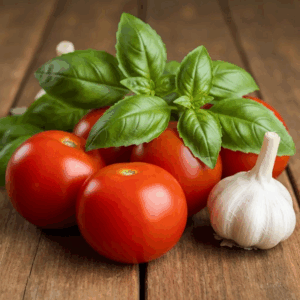
Fresh ingredients start with whole produce whose vitamins and phytonutrients hold up better when cooked briefly and stored cold, rather than processed for long-term shelf stability. Tomatoes bring vitamin C and lycopene; basil gives aromatic oils and polyphenols — both decline with repeated heating and long storage. Using whole garlic, ripe tomatoes, and good extra-virgin olive oil helps preserve beneficial compounds that boost antioxidant capacity. Practical tips: pick firm ripe tomatoes, chill sauces within two hours of cooking, and freeze portions to lock in nutrients for later.
These ingredient-first habits lead naturally into a quick comparison of common sauce components and what they bring to the table.
| Ingredient | Key Nutritional Attribute | Practical Family Benefit |
| Fresh tomatoes | Vitamin C, lycopene, polyphenols | Bright acidity and an antioxidant boost |
| Fresh basil | Polyphenols, aromatic oils | Adds flavour without extra salt or sugar |
| Garlic | Allicin, immune-supporting compounds | Deepens savory flavour — helpful for picky eaters |
| Olive oil | Monounsaturated fats, vitamin E | Healthy fat that improves satiety and nutrient absorption |
Why Are Homemade Sauces Free from Preservatives and Excess Sodium?
Small-batch sauces stay fresh through refrigeration and freezing, so there’s no need for the stabilizers and high salt levels that keep commercial jars shelf-stable for months. Commercial makers add sodium and preservatives to slow spoilage and keep flavour consistent over time; at home, cold storage and faster use do that job. Safe-storage basics: refrigerate sauces within two hours, use airtight containers for 3–5 days in the fridge, and freeze meal-size portions for 2–3 months. These simple steps preserve quality without the additives found in many jarred products.
Knowing how to store sauce safely helps families feel confident using preservative-free options and makes quick weeknight use easier.
How Do Homemade Sauces Save Time for Busy Weeknight Dinners?
Fresh sauces save time when you batch-cook, portion for the freezer, and use fast assembly patterns. One large pot on the weekend becomes several 10-minute dinners during the week. The idea is simple: invest time once, then reheat and toss with quick-cooking pasta or pre-cooked proteins for speedy meals. That way, families regain weeknight minutes without giving up fresher flavour and better nutrition.
Here are practical prep ideas that make fresh sauces a genuine time-saver, followed by a clear comparison of common meal options.
- Batch and Portion: Make extra sauce and freeze single-meal containers
- Use Quick Pasta Types: Pair sauces with thin pastas or fresh gnocchi that cook in 3–7 minutes
- Pre-cook Proteins: Roast or grill a chicken breast ahead of time to slice into several pasta bowls
- One-Pot Assembly: Finish sauce, pasta, and vegetables together to cut cleanup and coordination time
These habits turn batch cooking into a weekly routine that trims nightly prep and eases decision fatigue. Next is a simple table to compare prep and cook time across popular options.
Families can weigh speed and cleanup using the table below to pick the approach that fits their schedule.
| Meal Option | Typical Prep Time | Typical Cook/Reheat Time | Cleanup Complexity |
| Fresh sauce + fresh pasta | 10–15 minutes (reheat) | 5–7 minutes | Low |
| Jarred sauce + dried pasta | 5–10 minutes | 8–12 minutes | Moderate |
| Prepared meal (ready-to-heat) | 1–3 minutes (heat) | 5–8 minutes | Very low |
This makes it clear why fresh sauces with quick pastas often hit the sweet spot between speed and quality, which brings us to service options that help when time is tight.
What Quick Meal Prep Tips Use Fresh Italian Sauces Efficiently?
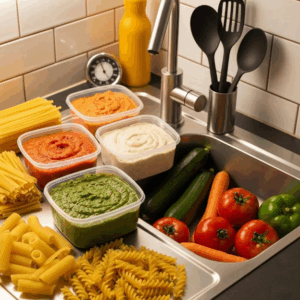
Fast meal prep with fresh Italian sauces is built on a few repeatable patterns: pre-portion and date your sauce so reheating is grab-and-go, keep a rotating stash of frozen veggies that warm quickly, and reserve a little pasta water when you cook fresh pasta to help the sauce cling for a silky finish. Keep pre-grated Parmesan and toasted breadcrumbs on hand for instant appeal without extra work. These small moves reduce dinner to three or four simple steps.
When the schedule is especially tight, local prepared options can fill in the gaps without sacrificing quality.
How Do Palma Pasta’s Prepared Meals and Sauces Simplify Family Dinners?
Palma Pasta makes prepared Italian meals, fresh pasta, and sauces that act as building blocks for busy families, plus local delivery and curbside pickup to save shopping time. Use these items to turn a weekend cook session into a weekday assembly: reheat a prepared tray, toss it with freshly cooked pasta, and finish with a quick garnish for a balanced meal. Combining Palma Pasta’s sauces with quick-cook pastas or pre-cooked proteins can meaningfully cut evening prep while keeping flavour and nutrition high. Once you know how to slot prepared products into your weekly rhythm, convenience and good food go hand in hand.
Why Does Flavour and Quality Matter in Homemade-Style Italian Sauces?
Flavour and quality matter because food that tastes great gets eaten and repeated. Fresh ingredients bring bright tomato acidity, herb-forward aromatics, and a balanced mouthfeel that many mass-produced sauces miss. Simple techniques — a short simmer, finishing with olive oil — preserve that sensory profile. When meals satisfy, families are more likely to stick with them and include vegetables and proteins that make the meal nutritionally complete. In short, great-tasting sauce helps good eating become a habit.
Here are the flavour and quality traits to look for when choosing or making sauces.
- Fresh herb aroma for big flavour without extra salt or sugar
- Proper oil integration for improved texture and feeling of fullness
- Controlled simmering to keep tomato brightness and avoid bitterness
- Small-batch attention to acidity and seasoning for consistently accepted meals
Focusing on these elements helps both home cooks and chefs create sauces that families will return to again and again.
What Makes Palma Pasta’s Sauces Authentic and Superior in Taste?
Palma Pasta focuses on traditional recipes and fresh ingredients — ripe tomatoes, fragrant herbs, and thoughtful use of olive oil — prepared in small batches to keep texture and flavour intact. That approach produces bright acidity, garden-fresh basil notes, and a balanced oil-to-acid mouthfeel that elevates simple pasta into a family favorite. These qualities let locally prepared products deliver many of the benefits of homemade sauce without requiring daily cooking.
How Does Customization Cater to Dietary Needs and Family Preferences?
Customization is what makes sauces work for every family. Swap ingredients or adjust seasoning to meet allergies or tastes: a tomato-basil base can skip dairy and gain creaminess from olive oil and pureed white beans; spicy arrabbiata can be mellowed for kids by adding a touch of sweetness. Pair sauces with gluten-free pasta or spiralized vegetables to suit dietary needs while keeping the same flavourful sauce. A modular sauce strategy reduces the need for multiple separate meals and simplifies shopping and meal planning.
This flexible approach supports taste and nutrition goals and leads naturally into cost and value considerations.
What Are the Cost-Effective Advantages of Choosing Homemade Pasta Sauces?
Fresh or homemade-style sauces can be cost-effective when you measure per serving, yield, and re-use across dishes — especially if you batch-cook and repurpose. One pot of sauce can become several dinners, soups, or baked dishes, lowering the need for specialty items. Less waste also saves money: portioning and freezing keep food usable and prevent half-open jars from going bad. When you weigh cost-per-serving along with quality and health, fresher ingredients or local prepared sauces often offer better nutrition at similar or lower practical cost.
Below are smart ways families can save money while enjoying fresh sauces, followed by a short cost comparison table.
- Batch Cooking Lowers Per-Serving Cost: Make larger batches to spread ingredient spending
- Multi-Use Sauce: Use the same sauce on pasta, pizza, and meat to increase yield
- Freeze Portions: Prevent waste and smooth weekly budgets by freezing meal-sized packs
- Buy Fresh Components Seasonally: Seasonal produce costs less and tastes better
These practices make fresh sauces a scalable, budget-friendly choice for family kitchens. The table below highlights the main differences.
| Option | Approx. Cost per Serving | Typical Yield | Shelf-Life (Refrigerated) |
| Fresh homemade-style sauce | Moderate (lower with batching) | 4–6 servings per pot | 3–5 days refrigerated, 2–3 months frozen |
| Jarred commercial sauce | Low per jar but variable | 3–5 servings per jar | Several months shelf-stable |
| Prepared fresh meal service | Higher per serving | Single-meal portions | 3–5 days refrigerated |
This snapshot shows how perishable economics and shelf-life make fresh sauces competitive, especially when you reuse and freeze portions.
How Can Families Save Money with Fresh, Homemade-Style Sauces?
Save by planning multi-use menus and treating batch-prepared sauce as a building block across meals. A double batch can be pasta one night, a topping for roasted veggies the next, and the base for a quick soup the day after — multiplying value from the same ingredients. Pair that strategy with pantry staples like canned beans and seasonal veggies to stretch meals further. Portion control and freezing stop spoilage, and over weeks those habits reduce impulse buys and ready-made convenience costs.
This budgeting view shows how investing in better sauces pays back through repeat use and more satisfying meals.
Why Is Investing in Quality Sauces Better Than Buying Processed Alternatives?
Quality sauces return more than money — they bring better family satisfaction, fewer additives, and improved nutrition. That can mean fewer snack-driven extras, better satiety, and potentially lower grocery waste. While the exact dollar savings are hard to measure, the improved meal acceptance and health benefits add real value over time. For many families, fresher sauces are a deliberate, worthwhile food investment.
How Can Homemade Sauces Enhance Family Meals Beyond Dinner?
Homemade sauces aren’t just for dinner. They brighten lunches, snacks, quick pizzas, and party platters — giving consistent flavour and nutrition across the week. A good tomato sauce becomes a dip for veggies, a sandwich spread, or a finish for grain bowls, reducing the need for multiple condiments. Using sauces this way simplifies shopping and delivers reliable, nutritious options for busy kids and adults alike.
- Use mild tomato sauce as a dip for baked veggie sticks after school
- Thin leftover sauce into a soup base with stock and beans for fast lunches
- Spread sauce on flatbreads, top with cheese and veggies for quick family pizzas
- Turn a hearty ragù into lasagna or baked pasta for weekend gatherings
These versatile uses lower mealtime friction and make it easier to rely on sauces throughout the week — which is where catering can help for bigger events.
What Kid-Friendly Pasta Sauces Are Ideal for Picky Eaters?
For picky eaters, stick to familiar textures and mild flavours: simple tomato-basil, butter-and-Parmesan, or a smooth cream made from pureed vegetables are good winners. Texture is key — younger kids often prefer smooth, slightly thick sauces over chunky ones — and mild seasoning makes new flavours less intimidating. Sneak in pureed carrots or zucchini for extra nutrition without changing the profile too much.
Serving tips: offer mild garnishes, let kids add toppings themselves, and start with small portions to avoid overwhelm.
What Are Tips for Making Homemade Sauces a Fun Family Activity?
Turning sauce-making into a family activity teaches cooking skills and builds mealtime rituals that encourage healthier eating habits, and the mechanism is simple: assign clear, age-appropriate tasks that contribute to the final dish. Involving kids in measuring, stirring, and topping boosts food familiarity and willingness to taste new ingredients, while older children can learn knife skills and flavor balancing. Creating small traditions—naming the sauce, plating together, or rotating a “sauce chef” for the week—makes the habit repeatable and joyful. Below are practical task lists for different ages and ways to structure family cooking sessions for both safety and engagement.
Age-appropriate tasks for kids and how to structure the activity:
- Ages 3–5: Stirring, tearing basil leaves, sprinkling cheese
- Ages 6–10: Measuring ingredients, pressing garlic, and simple stirring on the stove with supervision
- Ages 11+: Sautéing aromatics, seasoning to taste, plating, and presenting
These task groupings help parents assign meaningful jobs that build skills; the following table explains safety tips and benefits for each group.
| Age Group | Recommended Tasks | Safety & Learning Outcomes |
| 3–5 years | Stirring, tearing herbs | Motor skills, sensory exposure |
| 6–10 years | Measuring, prepping | Math skills, following instructions |
| 11+ years | Cooking steps, seasoning | Responsibility, flavor development |
This structure makes sauce-making manageable and enjoyable for families of all sizes.
How Does Palma Pasta Catering Make Hosting Family Gatherings Effortless?
Palma Pasta’s catering packages simplify hosting with Italian platters and prepared mains that need minimal on-site work. Packages can include several sauce-based dishes and fresh pasta choices that scale for kids and adults, so hosts spend less time cooking and more time enjoying the event. For milestone gatherings or larger get-togethers, local catering delivers consistent quality and authentic flavour without turning hosting into a full cooking day.
What Are Easy Homemade Sauce Recipes and Quick Pasta Meal Ideas for Busy Families?
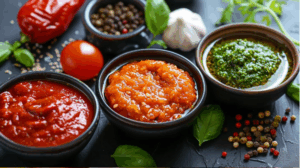
Here are two family-tested, quick recipes that follow fresh-sauce principles and are easy to use on weeknights: a simple tomato-basil sauce and a quick pesto toss. Each recipe lists ingredients, straightforward steps, and a time estimate so you can get dinner on the table fast.
Which Simple Sauce Recipes Use Palma Pasta’s Fresh Ingredients?
Fresh Tomato-Basil Sauce (serves 4, ready in 20 minutes):
Ingredients:
- Ripe tomatoes or fresh prepared tomato sauce
- 2 cloves garlic
- A handful of fresh basil
- 2 tbsp olive oil
- Salt to taste
Steps:
- Sauté garlic in olive oil for 1–2 minutes
- Add tomatoes and simmer 8–10 minutes
- Stir in basil and finish with a splash of reserved pasta water
Time: 20 minutes total.
Quick Basil Pesto Toss (serves 4, ready in 10 minutes):
Ingredients:
- Fresh basil
- Toasted pine nuts or walnuts
- Grated Parmesan
- Olive oil
- Lemon zest
- Salt
Steps:
- Pulse basil, nuts, cheese, and zest in a blender with oil until smooth
- Warm gently in a pan with a bit of reserved pasta water to loosen
- Toss with fresh pasta cooked 3–4 minutes and serve
Time: 10 minutes total.
How Can Families Create Fast, Delicious Weeknight Pasta Meals?
A reliable 20-minute routine gets dinner on the table without stress: start a pot of water, warm or make the sauce while the water heats, cook pasta to al dente, save a cup of pasta water, then finish the sauce and pasta together for a quick rest before plating. Add quick-seared shrimp, shredded rotisserie-style protein, or sautéed frozen vegetables to turn a single sauce into a full meal. Reheating batch-cooked sauce in a wide skillet with pasta water keeps it smooth and cuts final assembly to two minutes.
Use this choreography across the week to make batch prepping a real time-saver and keep family dinners consistent and nutritious.
Frequently Asked Questions
How can homemade sauces be adapted for special dietary needs?
Homemade sauces are easy to tweak for dietary restrictions: replace cream with pureed vegetables or plant-based milk for dairy-free versions, and serve with gluten-free pasta or spiralized vegetables for gluten-free meals. Small ingredient swaps and seasoning adjustments help everyone at the table enjoy the same meal without sacrificing flavour or nutrition.
What are some tips for storing homemade sauces to maintain freshness?
Store sauce safely by refrigerating it within two hours in airtight containers. Most homemade sauces keep 3–5 days in the fridge. For longer storage, freeze meal-sized portions for 2–3 months and label with dates. When reheating, bring the sauce to a safe temperature and stir well for even heating.
How do homemade sauces compare to store-bought options in terms of cost?
Store-bought jars can look cheaper at first, but homemade sauces often cost less per serving when you batch-cook and reuse them across meals. Seasonal produce, repurposing leftovers, and freezing portions further lower costs. Factor in better nutrition and fewer additives, and fresh sauces often deliver better overall value.
What are some quick ways to incorporate homemade sauces into family meals?
Use a simple tomato sauce as a base for pasta, pizza, or a veggie dip; pre-portion sauces for grab-and-go dinners; and pair sauces with quick-cooking ingredients like fresh pasta or pre-cooked proteins. These little habits make it easy to enjoy nutritious meals even on the busiest nights.
Can homemade sauces be used in meal prep for the week?
Definitely. Make a large batch on the weekend, portion it out, and you’ve got ready-to-reheat meals all week. Mix and match proteins, vegetables, and grains to keep dinners varied without extra daily effort.
How can families involve children in making homemade sauces?
Get kids involved with age-appropriate tasks: washing produce, tearing basil, measuring ingredients, or stirring as the sauce simmers. Cooking together teaches kitchen skills and increases the chance they’ll try new foods. It’s an easy way to make cooking a family activity.
What are the best types of pasta to pair with homemade sauces?
Match the pasta to the sauce: lighter sauces like fresh tomato-basil suit thin pastas such as spaghetti or angel hair, while hearty ragùs work best with wider shapes like pappardelle or rigatoni that can hold up to the sauce. Stuffed pastas like ravioli add a fun twist and pair nicely with simple sauces.
Conclusion
Fresh, homemade-style pasta sauces give busy families a practical way to eat better without more work. By choosing fresh ingredients or smart prepared options from Palma Pasta, you get tastier meals, lower sodium, and faster weeknights. Start small — batch a pot, freeze portions, and use simple flavour fixes — and you’ll find preservative-free, family-loved dinners are easier than you think.
You must be logged in to post a comment.