
Whole Wheat Wonders: Wholesome Pasta Recipes for Every Family Meal
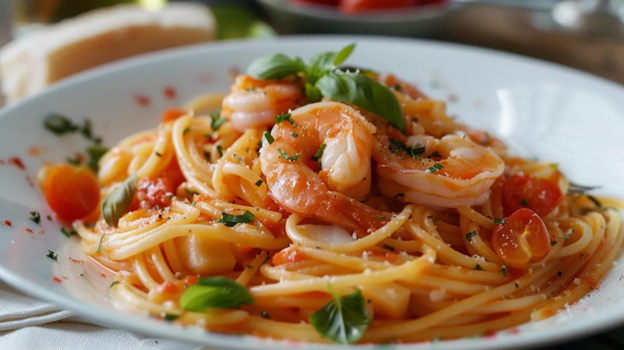
With its rich history and endless possibilities, pasta offers a canvas for creativity in the kitchen, making it the perfect choice for family meals.
Whole wheat pasta, made from whole grain flour, retains the bran and germ, delivering higher fiber, more micronutrients, and a lower glycemic response than refined pasta. In this blog post, readers will discover a delightful array of wholesome pasta recipes that cater to every taste and preference, ensuring that mealtime becomes a cherished occasion for all. From classic favorites to innovative twists, these authentic recipes are designed to inspire families to gather around the table and savor the joy of shared moments.
This article also explains why whole grain pasta matters for digestive health, heart health, and satiety, and then shows practical ways to cook, customize, and buy healthy whole wheat pasta in the Greater Toronto Area. Many home cooks and event planners want authentic Italian flavour without sacrificing nutrition; the guide below combines evidence-backed nutrition, family-friendly recipes, and local purchasing and catering options to help. Join in as we explore how to elevate your pasta game and create lasting memories through the simple act of cooking together.
What Are the Key Benefits of Whole Wheat Pasta for Health?
Whole wheat pasta delivers physiological benefits because it preserves the whole grain components—bran, germ, and endosperm—so fiber, B vitamins, magnesium, and iron remain intact and slow carbohydrate absorption. This mechanism lowers post-meal blood sugar excursions and increases satiety, helping with digestive regularity and appetite control. Recent studies and nutrition guidance emphasize fiber and micronutrient retention as primary advantages of whole grain products, which makes whole wheat pasta a useful swap for refined options. The next paragraphs break down digestive effects, nutrient specifics, and links between whole grains and cardiometabolic outcomes, starting with digestion.
How Does Whole Wheat Pasta Improve Digestive Health?
Whole wheat pasta improves digestive health through both insoluble and soluble fiber: insoluble fiber increases stool bulk and transit, while soluble fiber feeds beneficial gut microbes and forms a gel that slows digestion. A typical serving of whole wheat pasta provides several grams of fiber per portion, which supports regularity and sustained energy release compared with refined pasta. Combining whole wheat pasta with vegetables adds diverse prebiotic fibers and further supports microbiome diversity and bowel function. Consider pairing whole wheat pasta with leafy greens and legumes to maximize both insoluble and soluble fiber benefits and to support long-term gut health.
What Nutrients Make Whole Wheat Pasta a Healthy Choice?
Whole wheat pasta supplies micronutrients that refined pasta lacks, notably B vitamins for energy metabolism, magnesium for muscle and nerve function, and iron for oxygen transport, alongside modest protein and complex carbohydrates. These nutrients collectively support daily activity, recovery for active individuals, and steady blood glucose management when consumed in balanced meals. Understanding these nutrient contributions helps families and athletes plan balanced plates around whole wheat pasta for sustained energy.
How Does Whole Wheat Pasta Support Weight Management and Heart Health?
Whole wheat pasta supports weight management by increasing fullness per calorie through fiber and complex carbohydrates, which reduces overeating and helps control total daily energy intake. Epidemiological evidence links higher whole grain intake to lower cardiovascular risk, a relationship attributed to fiber, micronutrients, and favorable impacts on blood lipids and blood pressure. For practical application, combine portion-controlled whole wheat pasta with lean protein, non-starchy vegetables, and healthy fats to preserve nutrient density and support heart-healthy meal patterns. These meal composition strategies translate population data into concrete plate-level choices that support both weight management and cardiovascular wellness.
Different whole grain attributes explain measurable clinical effects when whole wheat pasta replaces refined pasta:
- Increased fiber per serving improves satiety and bowel regularity
- Preserved micronutrients (B vitamins, magnesium) support metabolic health
- Lower glycemic response helps stabilize post-meal blood sugar and lipids
These combined mechanisms make whole wheat pasta a practical component of a health-focused diet.
Here is a compact comparison of core attributes that clarifies per-serving differences.
The following table compares key nutritional attributes of whole wheat and refined pasta to highlight practical differences per typical serving.
Attribute | Whole Wheat Pasta (per serving) | Refined Pasta (per serving) |
Fiber (grams) | 5–7 g | 1–2 g |
Protein (grams) | 7–9 g | 6–8 g |
Glycemic Response | Lower / slower absorption | Higher / faster absorption |
Micronutrients | Higher (B vitamins, magnesium, iron) | Lower (reduced during milling) |
This comparison shows whole wheat pasta offers substantially more fiber and retained micronutrients, helping explain its digestive and metabolic advantages.

Where Can You Buy Fresh and Healthy Whole Wheat Pasta in Mississauga and the GTA?
Fresh whole wheat pasta is available through local specialty shops and prepared meal providers that offer fresh pasta, frozen options, and natural foods sections tailored to health-conscious customers. Buying fresh whole wheat pasta locally ensures product freshness, allows selection of pasta shapes suited to recipes, and supports quicker access to ready-made healthy meal options. Below we describe product categories, ordering methods, and advantages of purchasing from a local Italian-focused provider, then present practical ordering steps.
How to Order Healthy Whole Wheat Pasta for Delivery or Pickup?
Ordering healthy whole wheat pasta locally typically involves selecting product categories, choosing quantities for household size or event servings, and selecting delivery or contactless pickup as available. For family dinners, order quantities that allow leftovers—roughly 75–100 g dry equivalent per adult portion—or select prepared meals for immediate convenience. When planning for events, request lead times to ensure fresh production and consider curbside pickup or local delivery to simplify logistics. Clear ordering steps and early planning help ensure the freshest whole wheat options arrive on time for meals or gatherings.
The following list outlines a simple ordering checklist to prepare for delivery or pickup:
- Decide pasta type and shape based on recipe or event needs
- Estimate portions using recommended portion sizes for adults and children
- Choose delivery, contactless pickup, or in-store purchase
- Confirm lead times for large orders or prepared meal requests
Use this checklist to streamline ordering and minimize last-minute substitutions, which preserves recipe integrity and nutritional goals.
Local options balance convenience and quality, and they support timely access to whole grain pasta products for both everyday meals and special events. With buying options covered, the next section provides practical recipes that use whole wheat pasta effectively.
What Are Easy and Delicious Healthy Whole Wheat Pasta Recipes for Dinner?
Whole wheat pasta adapts to quick, family-friendly dinners by combining robust flavour with nutritional benefits: cook al dente to preserve texture and pair with vegetables and lean proteins for balanced meals. The recipes below feature fresh whole wheat pasta as a suggested product for authentic texture and quicker cook times. Each recipe card lists simple ingredients, cook time, and a short method to enable weeknight preparation while keeping meals nutrient-forward and appealing to families.
Which Quick Whole Wheat Pasta Recipes Are Perfect for Families?
Quick whole wheat pasta recipes focus on simple ingredient lists, fast cook times, and kid-friendly flavours such as tomato-basil or cheese-and-veg combinations. One example is whole wheat spaghetti with turkey meatball marinara, which pairs lean protein with vegetable-rich sauce to boost fiber and micronutrients. Another quick option is whole wheat penne with roasted cherry tomatoes, spinach, and a light ricotta finish for creamy texture without heavy sauces. These recipes can be scaled and stored for 1–2 days, offering easy weekday meal planning and leftovers that maintain quality.
Turkey Meatball Marinara:
Lean turkey meatballs, tomato sauce, whole wheat spaghetti; 25–30 minutes total
Roasted Tomato & Spinach Penne:
Roasted cherry tomatoes, garlic, baby spinach, light ricotta; 20–25 minutes
Garlic-Butter Veggie Fusilli:
Mixed vegetables sautéed with garlic and olive oil, finished with whole wheat fusilli; 15–20 minutes
These quick recipes keep prep and cook time low while maximizing nutrition and family appeal, making whole wheat pasta a reliable weeknight staple.
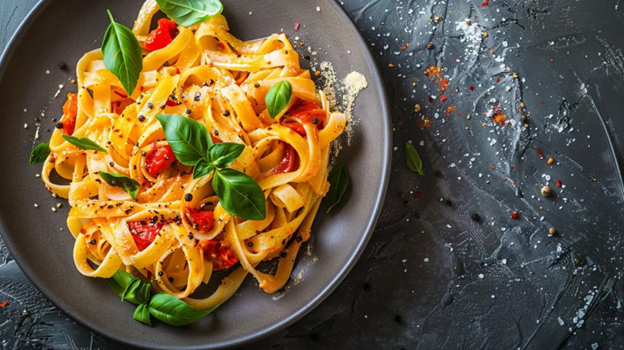
How Can You Customize Whole Wheat Pasta with Healthy Sauces and Proteins?
Customizing whole wheat pasta focuses on pairing balanced proteins, vegetable-packed sauces, and healthy fats to round out meals and modulate glycemic response. For protein pairings, consider grilled chicken, turkey meatballs, legumes, or firm tofu to complement whole grain textures. Sauces can be vegetable-forward—roasted red pepper puree, chunky tomato-basil, or a light pesto with extra greens—to increase micronutrient density without excessive calories. Small adjustments like adding seeds or toasted nuts for crunch and healthy fats further improve nutrient profiles and satiety.
Suggested balanced pairings include:
Tomato + Turkey:
Lower-fat protein with fiber-rich sauce
Pesto + Grilled Chicken:
Healthy fats with lean protein
Roasted Veg + Chickpeas:
Plant-based protein and fiber combo
These combinations help preserve nutrient density and create meals that support blood sugar stability and fullness.
What Vegetarian Whole Wheat Pasta Dishes Are Nutritious and Tasty?
Vegetarian whole wheat pasta dishes can deliver complete nutrition by combining pasta with legumes, nuts, seeds, and leafy greens to boost protein and micronutrients. Examples include chickpea ragu over whole wheat spaghetti, Mediterranean roasted vegetables with crumbled feta and whole wheat penne, or a lentil-Bolognese that mimics classic flavours with plant-based protein. Including a source of vitamin C—such as roasted peppers or lemon—helps with iron absorption when legumes or greens are present. These vegetarian options provide satisfying textures and nutrient balance for plant-forward households.
- Chickpea Ragu: Simmered chickpeas in tomato-herb sauce, served over whole wheat spaghetti
- Mediterranean Veg Penne: Roasted eggplant, zucchini, peppers, olives, and feta
- Lentil Bolognese: Red lentils cooked with tomato and Italian herbs for a hearty sauce
These dishes demonstrate how whole wheat pasta supports vegetarian nutrition without sacrificing flavour, and they adapt well for batch cooking and meal prep.
Below are two concise recipe cards that explicitly use fresh whole wheat pasta as the recommended base and include brief ordering prompts.
Recipe Card 1: Whole Wheat Spaghetti with Turkey Meatballs
Ingredients: fresh whole wheat spaghetti, lean turkey, canned crushed tomatoes, garlic, basil, olive oil. Cook Time: 25–30 minutes. Method: Prepare meatballs, simmer in tomato sauce, cook pasta al dente, combine and serve with fresh basil
Recipe Card 2: Whole Wheat Penne with Roasted Vegetables and Ricotta
Ingredients: fresh whole wheat penne, mixed cherry tomatoes, zucchini, baby spinach, ricotta, olive oil. Cook Time: 20–25 minutes. Method: Roast vegetables, cook penne al dente, toss with ricotta and lemon zest
These recipe cards provide practical weeknight solutions and suggest fresh whole wheat pasta for authentic texture and faster, consistent cooking results.
What Are Common Questions About Healthy Whole Wheat Pasta?
Common questions about whole wheat pasta focus on comparative healthfulness, cooking techniques to preserve nutrients and texture, and appropriate substitutes for specific dietary needs. Clear, concise answers help capture featured snippets and guide practical decisions for everyday cooking. Below are direct responses to frequent user questions followed by actionable tips and alternatives.
- Is Whole Wheat Pasta Actually Healthy Compared to Refined Pasta?
Yes. Whole wheat pasta is generally healthier than refined pasta because it retains fiber and micronutrients, which support digestive health and moderate glycemic response. Compared with refined pasta, whole wheat options typically provide 3–5 grams more fiber per serving, a lower glycemic response, and more B vitamins and minerals that contribute to metabolic function. For most people, substituting whole wheat pasta for refined pasta is a simple dietary change that increases nutrient density without major shifts in cooking technique. For those with specific medical conditions, consult a healthcare professional for individualized guidance.
This comparison highlights the significant nutritional advantages of whole wheat pasta over its refined counterpart.
2. What Is the Healthiest Way to Prepare and Eat Whole Wheat Pasta?
The healthiest preparation emphasizes al dente cooking, pairing pasta with vegetables and protein, and controlling portions to balance calories and nutrient density. Cooking al dente reduces the rate of starch digestion and helps preserve texture; finishing the sauce with olive oil or ricotta adds healthy fats that slow digestion and enhance nutrient absorption. Portion control—about 75–100 g dry equivalent for adults, adjusted by activity level—keeps energy intake appropriate, while adding vegetables increases fiber and vitamins per plate. These combined practices optimize whole wheat pasta’s health benefits in everyday meals.
3. What Are Healthy Whole Wheat Pasta Substitutes?
Healthy substitutes include legume-based pastas, vegetable spirals, and other whole grain options like spelt or einkorn pasta for those seeking variety or higher protein content. Legume pastas (chickpea, lentil) offer higher protein and fiber but present different textures and cooking times, while vegetable spirals reduce net carbohydrates and increase vegetable intake. Gluten-free whole grain options provide preserved whole grain nutrition for those avoiding gluten, though ingredient labels should be checked for fiber and protein content. Choose substitutes based on dietary goals—higher protein, lower carbs, or gluten-free needs—and adjust cooking methods accordingly.
Below is a short comparison list to guide substitute selection:
- Legume-based pasta: Higher protein, good for plant-based protein boosts.
- Vegetable spirals: Lower carb option, increases vegetable servings.
- Alternative whole grains: Spelt or einkorn for different flavor profiles and whole grain nutrition.
These alternatives let cooks tailor meals to dietary preferences without losing the core benefits of whole grains.
In conclusion, whole wheat pasta stands out as a powerhouse of nutrition, offering numerous health benefits that elevate it far beyond regular pasta. Not only does it enhance digestive health through its rich fiber content, but it also boasts an impressive array of essential nutrients that contribute to overall wellness. As we’ve explored, whole wheat pasta can be a valuable ally in weight management and heart health, making it an excellent choice for those mindful of their diets. For residents of Mississauga and the Greater Toronto Area, purchasing fresh pasta is simple with options like Palma Pasta, which supports local businesses while ensuring quality at your table.
With an array of easy and delectable recipes available, families can enjoy nutritious meals without compromising on taste. Embrace the benefits of whole wheat pasta in your culinary adventures, and for all your pasta needs—whether fresh or frozen—don’t hesitate to contact Palma Pasta. They are ready to help elevate your family meals and special events with delightful, healthy choices!
You must be logged in to post a comment.